
MAGA as a Political Brand: Claims, Messaging, and Evidence
Critics ask whether MAGA’s political messaging increasingly rewarded outrage, loyalty, and emotional engagement more than measurable policy results.
Since Donald Trump’s 2015 campaign, MAGA has remained a major force in American politics, media, and public debate. Supporters were promised stronger communities, lower costs, less corruption, and leaders who would fight for ordinary Americans.
After years of rallies, disputed claims, recurring outrage cycles, and demands for loyalty, critics argue that the movement developed in ways some early supporters may not have expected.
The question is not simply whether voters liked Donald Trump. It is whether the movement’s messaging and fundraising systems created incentives that benefited political organizations, media figures, and influencers while making policy outcomes harder to evaluate.
How the MAGA Movement Became a Powerful Political Brand
MAGA operates as both a campaign slogan and, for some supporters, a broader cultural identity.
The red hats, slogans, flags, merchandise, rallies, memes, podcasts, livestreams, and social media ecosystems created something larger than policy debates. For some supporters, MAGA became part of personal identity and social belonging.
That matters because once politics becomes identity-based instead of evidence-based, questioning the movement can begin to feel emotionally threatening to supporters.
Critics argue this helped create an environment where loyalty mattered more than facts.
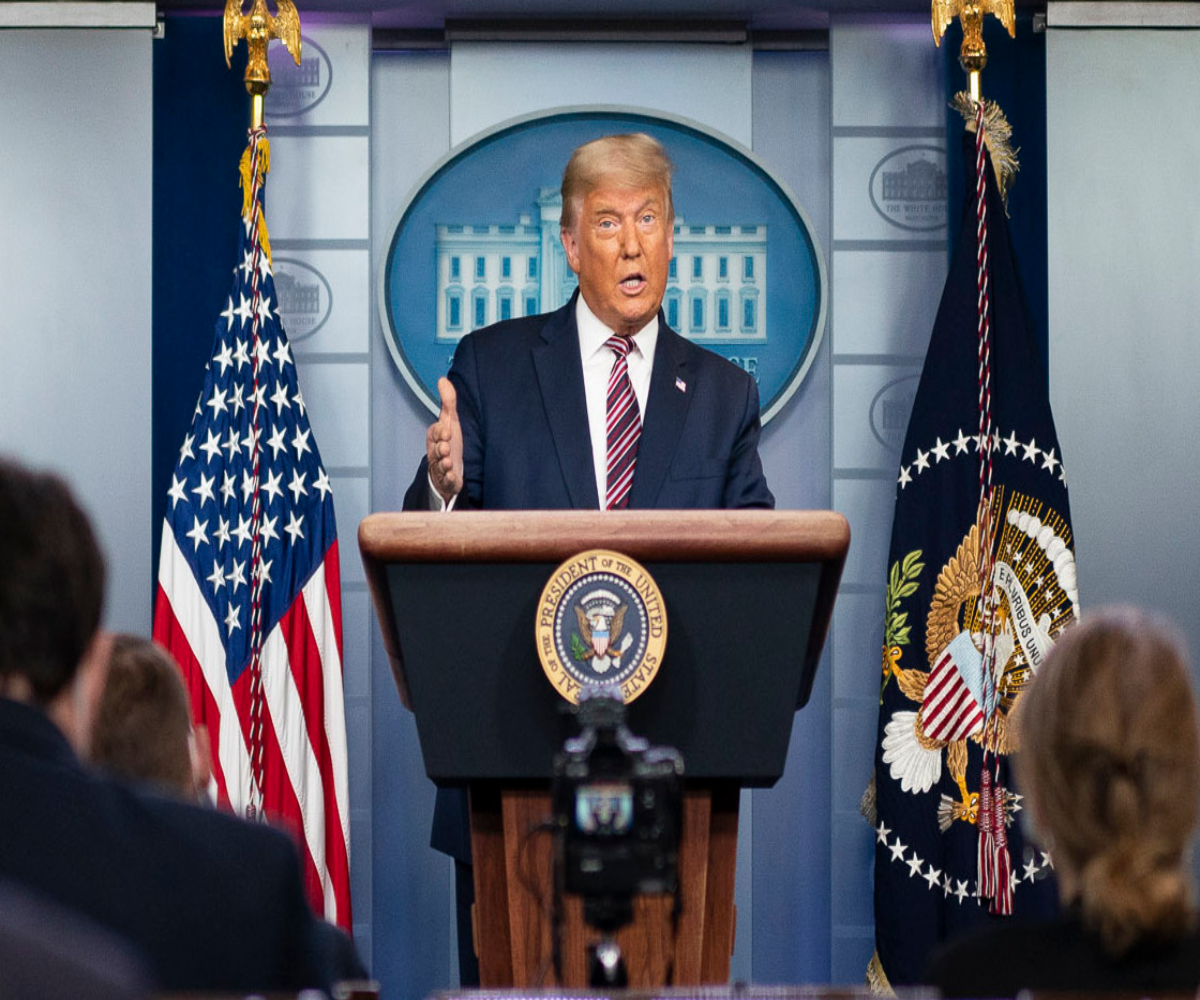
MAGA Political Outrage Became the Product
Attention-driven political media can reward emotionally charged content because viewing, sharing, donating, subscribing, and commenting all generate engagement.
Critics argue that parts of the MAGA media ecosystem made extensive use of this engagement strategy.
Recurring themes included:
- A new conspiracy theory
- A new enemy
- A new betrayal narrative
- A new emergency warning
- A new reason supporters should stay angry and fearful
The result could be a recurring cycle of emotional activation.
Fear and anger can attract attention; sustained attention can produce advertising, subscription, merchandise, or fundraising revenue.
That creates a financial incentive to continue high-engagement conflict even when it does not produce measurable policy solutions.
MAGA Election Fraud Claims and the Evidence Problem
One of the biggest criticisms of the MAGA movement involves repeated election fraud claims that often failed to hold up under scrutiny.
Trump and his allies made broad fraud allegations through social media, rallies, podcasts, and television. Courts dismissed or rejected many post-election challenges, while election-security officials reported no evidence that voting systems changed or lost votes.
For specific records, see the CISA election-security statement and Associated Press review linked below; both address the evidence behind result-changing fraud claims.
For critics, that gap between public certainty and documented evidence became a defining problem:
Broad claims. High confidence. Evidence that did not establish a result-changing fraud scheme.
Critics argue this pattern damaged public trust in elections, journalism, and democratic institutions themselves.
When Political Loyalty Replaces Accountability
Healthy political movements question leaders and demand accountability. Critics argue MAGA increasingly moved in the opposite direction.
Some public figures and supporters emphasized:
- law and order
- fiscal responsibility
- constitutional principles
- family values
- free speech
Critics pointed to cases where those standards appeared to change when the conduct involved their own political side.
That inconsistency led many observers to argue the movement shifted from issue-based politics into personality-based loyalty.
Once political identity becomes emotionally tribal, criticism itself can start being treated as betrayal instead of debate.
Who Raised Money and Built Influence Around MAGA?
One of the most important questions critics ask is simple:
Who became richer and more powerful during the MAGA era?
Answering that question requires campaign-finance disclosures, business records, and measurable voter outcomes rather than assumption.
Campaign activity and political media generated money or influence for:
- political influencers
- media personalities
- fundraising organizations
- merchandise businesses
- political PACs
- content creators built around outrage
Critics argue that fundraising and engagement systems allowed political operators to benefit from continued conflict. The scale of that benefit should be evaluated through FEC disclosures and other financial records.
That is why some critics describe parts of MAGA as a continuing “outrage economy.”
What This Actually Means
The earlier “biggest scam in political history” label is a rhetorical judgment, not an established factual conclusion.
But the larger concern underneath the argument deserves serious attention.
What happens when political movements become financially dependent on keeping supporters angry, fearful, and emotionally loyal regardless of outcomes or evidence?
Research on political identity and misinformation suggests that strong group commitments can complicate correction and accountability.
That danger is not limited to one political party. It can happen anywhere loyalty becomes more important than facts.
Final Thought on the MAGA Movement
A healthy democracy depends on evidence, accountability, skepticism, and the ability to question leaders openly.
The moment any political movement demands unquestioning loyalty, attacks all criticism automatically, and encourages people to distrust every outside source of information, warning signs begin to appear.
Some critics argue that those warning signs deserve direct examination.
Whether readers accept or reject that rhetorical label, the underlying questions about political fundraising, misinformation, identity, and accountability can be tested against records and research.
How we rate claims: See the Evidence Matters Verdict System