
Trump Promises and Policy Plans: Comparing Claims With Outcomes
Trump promises without a plan have become a repeating pattern in modern politics. Big slogans grab attention, but slogans are not evidence, policy, or measurable results.
Trump promises without a plan have become one of the most recognizable patterns in modern American politics.
Donald Trump repeatedly made sweeping promises. The useful test is not whether a slogan sounded bold, but whether the administration supplied a workable plan, identified who would pay, and produced measurable results.
This article compares several well-known promises with public records from the archived Trump White House, the Congressional Budget Office, the Government Accountability Office, and U.S. Treasury data.
And somehow, many supporters still treat the promise itself as proof of success.
That is not how evidence works.
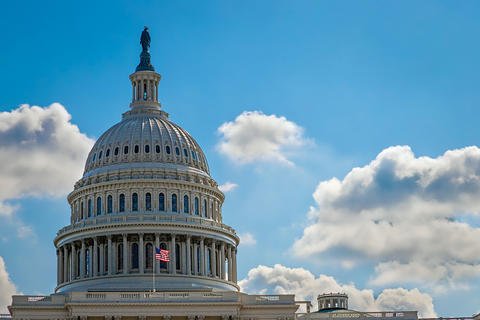
Trump Promises Without a Plan Keep Repeating
Several major Trump promises were repeated as simple slogans even though carrying them out depended on legislation, appropriations, courts, negotiations, or long-term economic conditions.
Examples included making Mexico pay for a border wall, repealing and replacing the Affordable Care Act, reducing federal debt, and rapidly expanding manufacturing. Each claim should be checked separately against the original statement, the proposed plan, and the later public record.
The slogans were politically effective, but a slogan by itself does not establish funding, legal authority, a timetable, or an outcome.
Real leadership usually includes timelines, budgets, tradeoffs, legal limits, logistics, and accountability. A campaign slogan does not.
In business, investors expect a real strategy. In construction, engineers expect actual blueprints. In medicine, patients expect evidence before treatment. Politics should not be the one area where slogans automatically replace detailed planning.
Why Trump Promises Without a Plan Still Work Politically
A fair evaluation should distinguish among promises that were not completed, policies that were attempted but blocked or changed, and goals whose results remain disputed.
The answer may have less to do with evidence and more to do with identity.
Political identity can influence how voters judge success or failure. That is why the same standard should be used for every administration: identify the promise, examine the plan, and compare it with the documented result.
- The promise gets repeated constantly.
- The audience becomes emotionally invested.
- The promise fails.
- Someone else gets blamed.
- A new promise replaces the old one.
The cycle continues when a new slogan replaces a measurable review of the earlier one.
What Evidence-Based Leadership Actually Looks Like
Evidence-based leadership is not perfect leadership. Leaders fail sometimes. Policies fail sometimes. Plans change.
But responsible leadership usually includes specific policy details, transparent goals, budget explanations, timelines, public accountability, and measurable outcomes.
That is how serious decision-making works in business, science, law, medicine, engineering, and responsible government.
Politics should not get a free pass simply because slogans sound good.
Politics Becomes Dangerous When Branding Replaces Evidence
Modern political branding is incredibly powerful. A slogan can spread faster than facts. A meme can spread faster than evidence. Emotional outrage spreads faster than careful analysis.
That creates an environment where many voters stop asking important questions.
- What is the actual plan?
- How will it legally work?
- Who pays for it?
- What evidence supports the claim?
- What happened the last time this promise was made?
Without those questions, politics becomes entertainment instead of accountability.
What This Actually Means
The issue is not whether politicians should dream big. The issue is whether voters still demand evidence, realistic planning, and measurable results before treating promises as truth.
Political promises are easy to make. Real plans are harder. Accountability is hardest of all.
Evidence Matters exists because too many public claims survive without evidence, timelines, proof, or consequences.
If a politician promises something massive, the public should ask three basic questions.
- Show the evidence.
- Show the plan.
- Show the measurable results.
Otherwise it is just another slogan.
How we rate claims: See the Evidence Matters Verdict System